


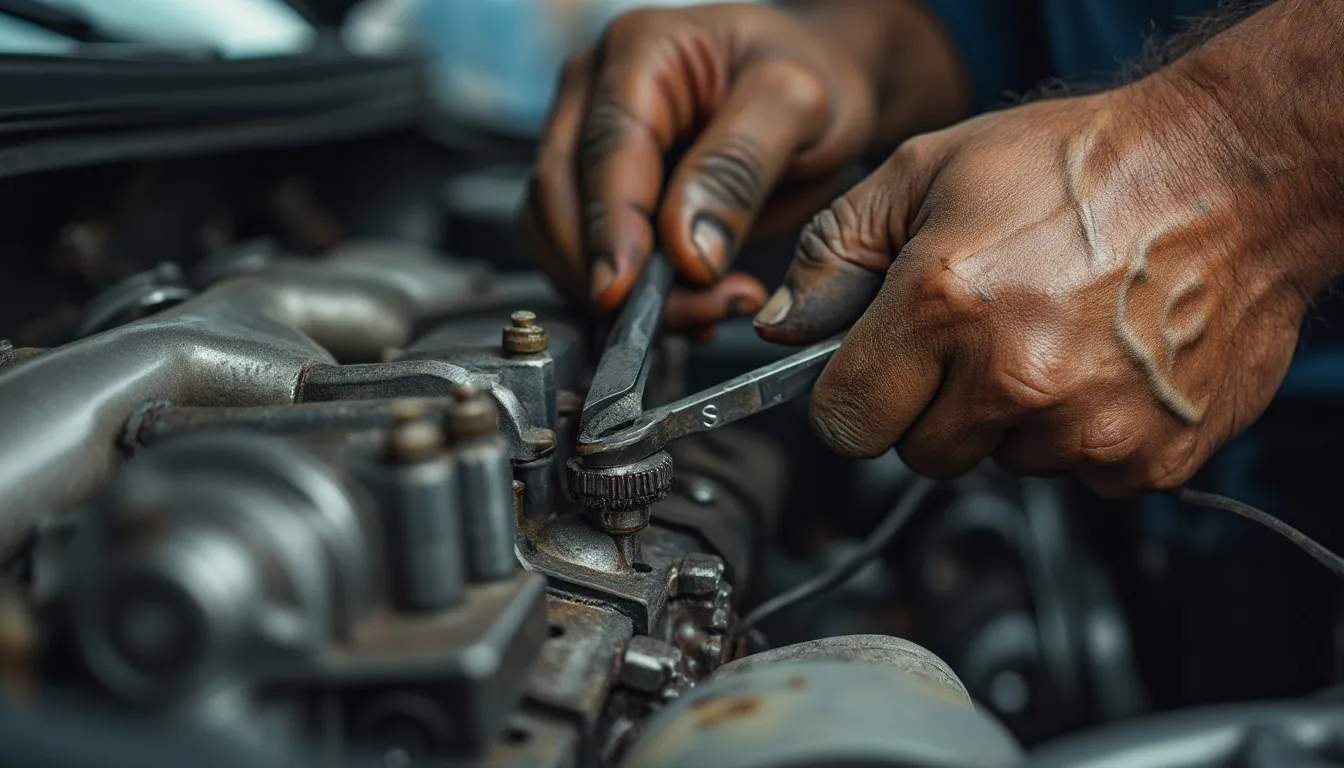
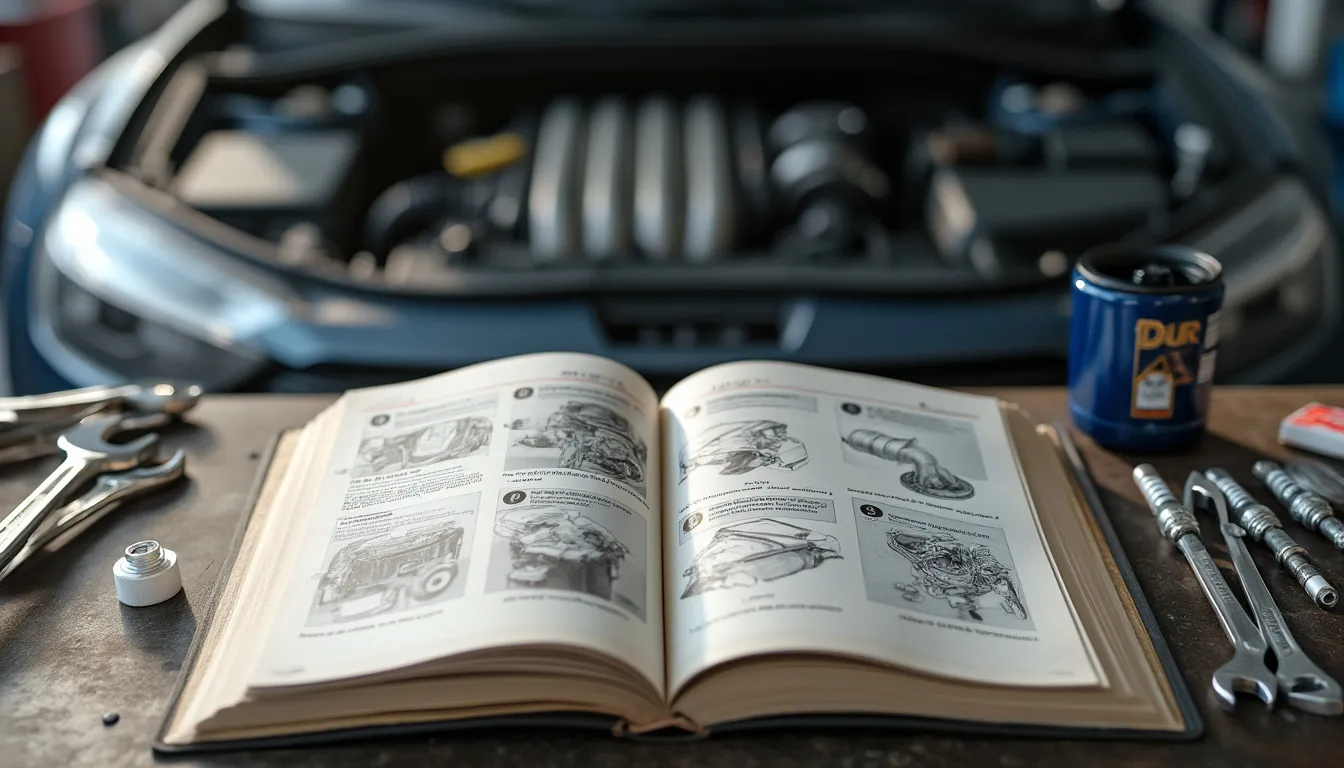
Engine Tuning: Step-by-Step Guides to Keep Your Vehicle Like New
Preventive maintenance is the key to keeping your vehicle in optimal condition for longer. Dedicating a few hours periodically to review and maintain the main systems not only extends the useful life of the automobile but also improves its performance, reduces fuel consumption, and prevents costly breakdowns.
Why is it important to keep the engine tuned?
The engine is the heart of your vehicle, and keeping it in good condition ensures efficient and lasting operation. A well-maintained engine consumes less fuel, generates fewer polluting emissions, and offers a more reliable response, especially in critical situations where you need all the available power.
Benefits of regular maintenance
- Longer lifespan: Well-maintained components last significantly longer.
- Fuel savings: A tuned engine can improve performance by up to 15%.
- Less pollution: Reduces harmful emissions to the environment.
- Prevention of breakdowns: Detects potential problems before they cause serious damage.
- Better resale value: A complete maintenance history increases the value of the vehicle.
Essential tools for maintenance
- Set of wrenches and screwdrivers
- Basic set that allows access to most components that require periodic maintenance.
- Hydraulic jack and stands
- Essential to safely lift the vehicle and perform work on the underside.
- Multimeter
- Allows you to check the operation of the electrical system and diagnose problems in sensors.
- Specific tools
- Filter wrenches, fluid testers, and other specialized tools depending on the model.
Indicators that your engine needs attention
| Symptom | Possible cause | Recommended solution |
|---|---|---|
| Difficult starting | Worn spark plugs or weak battery | Replace spark plugs or check charging system |
| Loss of power | Clogged filters or dirty injectors | Clean or replace affected components |
| Excessive consumption | Poor calibration or leaks | Engine adjustment or leak testing |
| Abnormal noises | Internal wear or lack of lubrication | Specialist inspection and oil change |
Step-by-step guides for basic maintenance
A methodical approach to engine maintenance will allow you to establish effective routines without forgetting any important aspect:
Oil and filter change
Oil is the blood of the engine, and keeping it clean is essential. The correct procedure includes pre-warming the engine to facilitate the outflow of used oil, using the appropriate tool to remove the filter without damaging it, and adding the exact amount of the type of oil recommended by the manufacturer. It is advisable to also replace the drain plug washer to prevent leaks.
Filter replacement
Filters prevent impurities from damaging your engine. The air filter should be inspected monthly and changed when visibly dirty. The fuel filter requires replacement according to the manufacturer's recommendations, generally between 30,000 and 60,000 km. The cabin filter, often forgotten, should be changed annually to ensure clean air inside.
Cooling system
Preventing overheating is crucial for engine longevity. Maintenance includes periodic verification of coolant level and condition, inspection of hoses and clamps, and checking the operation of the thermostat and fan. The coolant should be completely replaced every 2-5 years, depending on the type used.
Recommended maintenance schedule
- Weekly check of fluid levels (oil, coolant, brakes, steering)
- Monthly inspection of belts, hoses, and battery
- Oil and filter change every 5,000-10,000 km (according to specifications)
- Air filter replacement every 15,000-20,000 km
- Complete ignition system check every 30,000 km
Ignition system
For efficient starting and optimal combustion, it is necessary to maintain in good condition:
- Spark plugs: Periodic replacement according to type (copper: 30,000 km, platinum: 60,000 km, iridium: 100,000 km)
- Spark plug wires: Visual inspection looking for cracks or deterioration
- Coils: Verification using a multimeter if malfunction is suspected
- Battery: Terminal cleaning and charge checking
Using technology for maintenance
Current technology facilitates preventive maintenance:
- OBD2 scanners to detect failures before they become evident
- Mobile applications that record and remind of the maintenance schedule
- Endoscopic cameras to inspect the interior of the engine without disassembly
- Specific forums for each model with solutions to common problems
Advanced maintenance: when to consult a specialist
Although many maintenance tasks can be performed by oneself, some require specialized knowledge and tools:
- Timing adjustment and valve synchronization
- Complete electronic diagnosis and control unit reprogramming
- Professional cleaning of the injection system
- Compression review and internal engine condition
- Calibration of specific sensors and actuators
Maintenance according to mileage
Establishing a program based on mileage will help you not forget any important task:
- At 10,000 km: Oil change, oil filter, and general review
- At 20,000 km: In addition to the above, check brakes and air filter
- At 40,000 km: All of the above plus fuel filter replacement
- At 60,000 km: Complete review including timing (if applicable)
- At 100,000 km: Major maintenance with replacement of critical components
Conclusion
Keeping the engine tuned requires consistency and attention to detail, but the benefits far outweigh the effort. A well-maintained vehicle not only works better and consumes less but also offers greater safety and reliability when you need it most. Incorporating these maintenance routines into your habits as a driver will allow you to enjoy your vehicle like new for many more kilometers, avoiding unpleasant surprises and costly repairs.